
 Required fields not completed correctly.

Legal Support on Sanctions Matters Navigating Compliance and Risk Management

Understanding Legal Support on Sanctions Matters
In today’s interconnected world, businesses face an array of challenges, particularly when it comes to navigating legal support on sanctions matters. Sanctions regimes imposed by governments can significantly impact international trade and investment decisions. This article will delve into the complexities surrounding sanctions compliance, the associated risks, and the essential role of legal support in safeguarding organizations from legal repercussions.
The Importance of Sanctions Compliance
Sanctions are legal measures imposed by governments or international organizations to influence the behavior of targeted countries, entities, or individuals. Non-compliance with these sanctions can result in severe penalties, including heavy fines, restrictions on accessing financial markets, and reputational damage. Therefore, compliance with sanctions is not merely a legal obligation; it is a crucial component of sound business strategy.
Companies operating in multiple jurisdictions must be aware of the sanction regimes that apply to their specific situations. Failure to comply can cause significant financial losses and lead to criminal charges against executives or the company itself. Hence, having robust legal support is imperative for businesses engaged in international operations.
Types of Sanctions
Sanctions can vary widely in their objectives and implementation methods. Generally, they fall into the following categories:
- Economic Sanctions: These involve trade restrictions, such as tariffs, import/export bans, or the freezing of assets.
- Diplomatic Sanctions: These measures may entail reducing or suspending diplomatic ties.
- Military Sanctions: Arms embargoes preventing the sale or transfer of military equipment.
- Travel Bans: Restrictions on the movement of designated individuals.
Each type of sanction requires specific compliance measures, and understanding the nuances of each is vital for organizations. Legal support can provide the necessary guidance to ensure that all aspects of compliance are adequately addressed.
Challenges in Sanctions Compliance
Compliance with sanctions is not without challenges. Organizations must deal with constantly evolving regulations and interpretations from governing bodies. Moreover, the complexity of international law can lead to confusion regarding which sanctions apply to a given situation.
Additionally, businesses may unknowingly engage with sanctioned parties, particularly when conducting due diligence on supplier and partner relationships. Therefore, a proactive approach to sanctions compliance is essential. This involves implementing effective policies, conducting training, and having robust mechanisms for monitoring compliance.
The Role of Legal Support
Legal support plays a crucial role in managing sanctions compliance. Here are some key areas where legal expertise is invaluable:
1. Risk Assessment
Legal professionals can help organizations identify potential sanctions risks associated with their operations. By conducting thorough risk assessments, businesses can better understand the legal landscapes in which they operate.
2. Policy Development
Developing clear compliance policies and procedures is essential for any organization. Legal experts can assist in drafting policies that align with the latest sanctions regulations and best practices.
3. Training and Awareness
A well-informed workforce is key to compliance. Legal support can facilitate training programs for employees, ensuring that they understand their responsibilities regarding sanctions and how to identify and avoid risks.
4. Monitoring and Auditing
Regular monitoring of compliance processes is essential to address any potential issues promptly. Legal support can aid in establishing audit procedures to review adherence to sanctions-related policies.
5. Crisis Management
In the event of alleged sanctions violations, organizations need immediate legal guidance to navigate the crisis effectively. Legal support can help manage communications, negotiate penalties, and develop remediation strategies to mitigate damage.
Conclusion
Navigating the landscape of sanctions compliance is a complex but critical endeavor for organizations engaged in international trade. With continuously evolving regulations and increasing scrutiny from governments, strategic legal support is essential. Organizations must remain vigilant, proactive, and informed to ensure compliance and avoid the significant risks posed by sanctions violations.
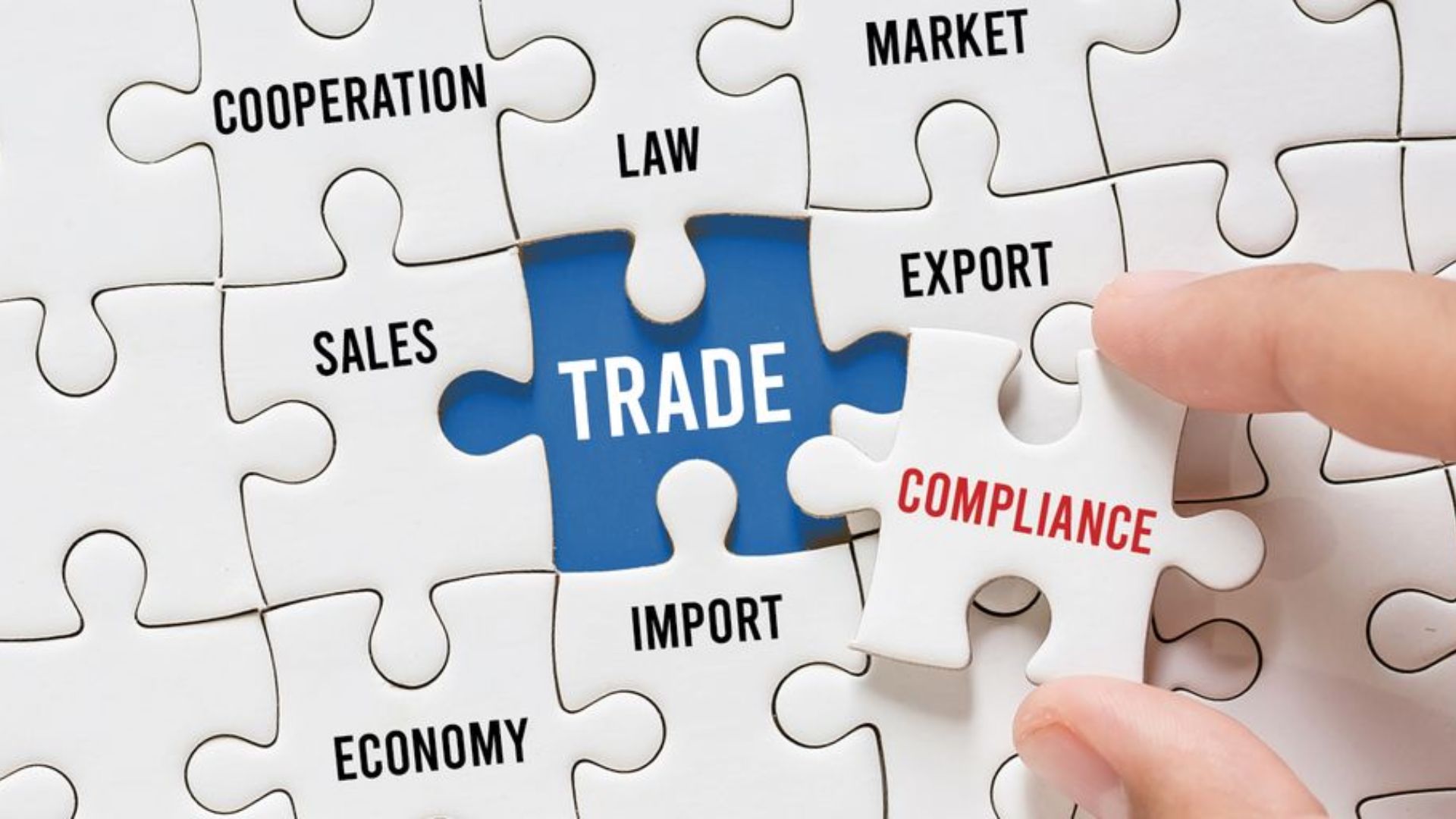
In conclusion, investing in legal expertise to handle sanctions matters not only safeguards an organization’s legal standing but also contributes to sustainable business practices in the global marketplace.